
Corporate, Investment & Market Entry
Thailand BOI Applications and Project Compliance
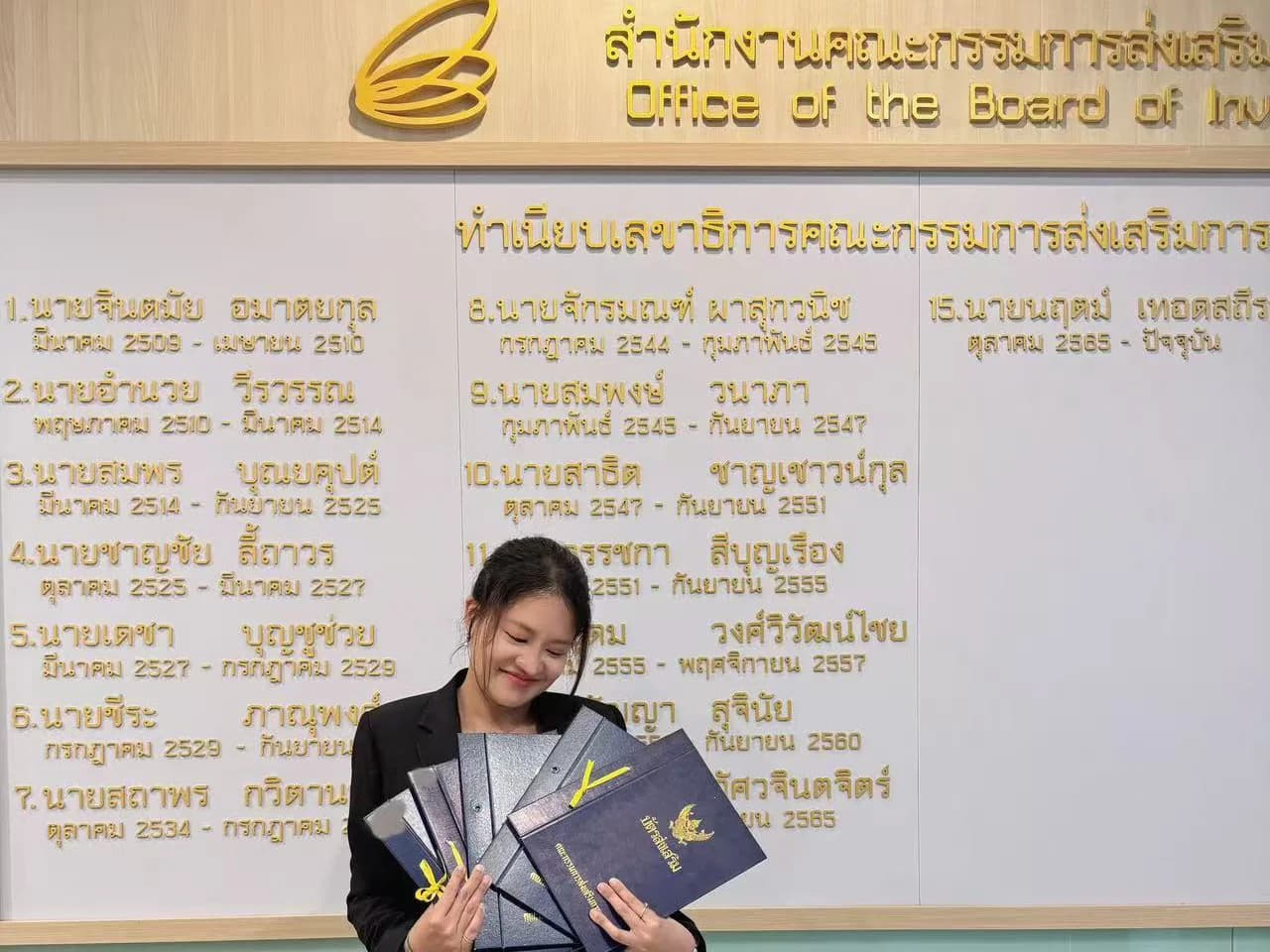
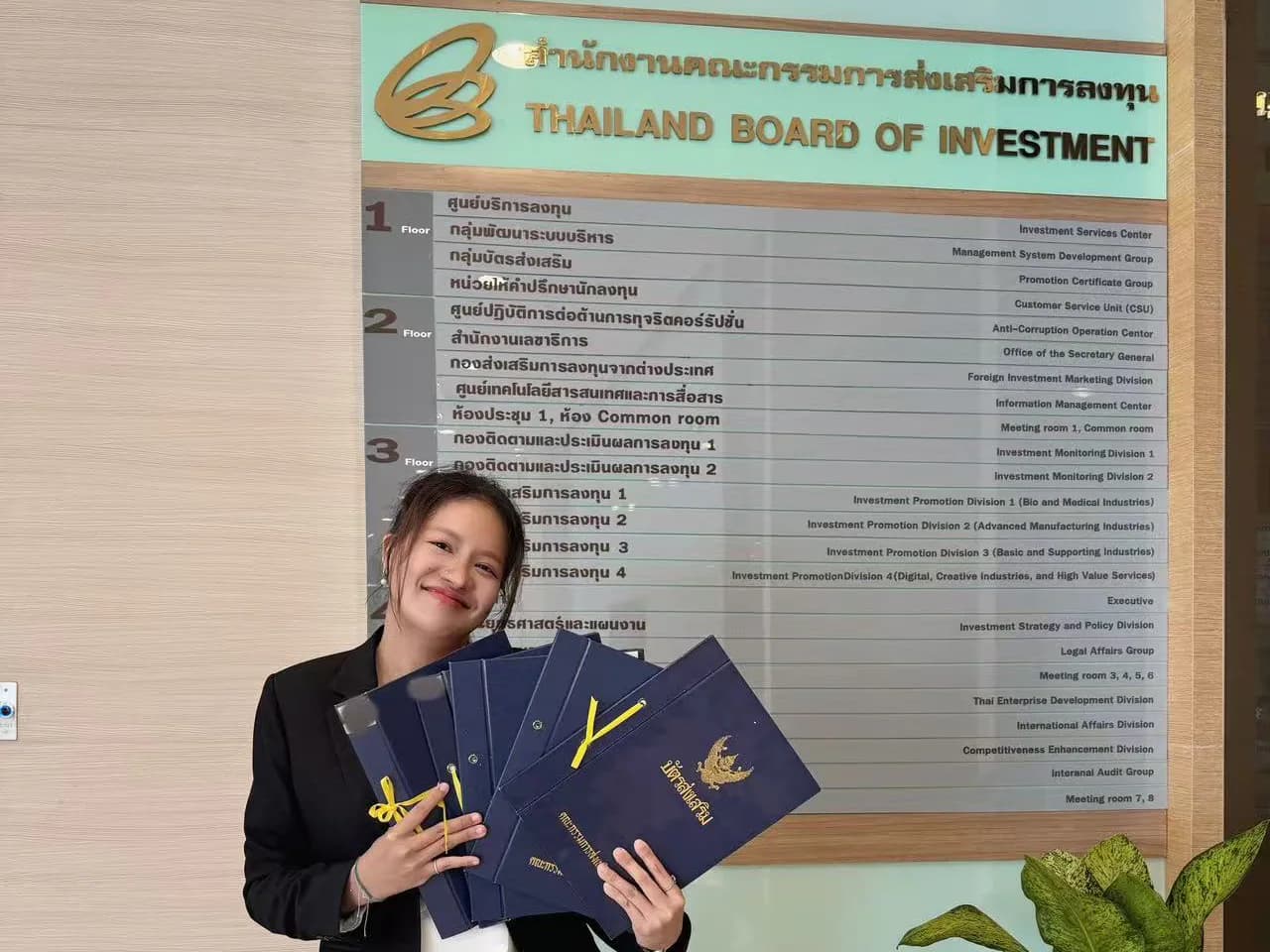
A BOI application needs a coherent account of the project’s activities, investment, technology, staffing and implementation plan. THAIHOUSING assists with project materials, clarification requests and application communications, with attention to the conditions that may follow approval.
Overview
A BOI application needs a coherent account of the project’s activities, investment, technology, staffing and implementation plan. THAIHOUSING assists with project materials, clarification requests and application communications, with attention to the conditions that may follow approval.
Who this service is for
- Companies assessing or applying for Thai investment promotion and organising project implementation plans.
Scope of work
- Review project activities and the proposed application category
- Organise investment, equipment, technology and staffing plans
- Assist with application materials and clarification responses
- Review approval conditions and subsequent implementation tasks
Process
Review activities, investment and implementation plans and identify questions for assessment.
Organise project descriptions and evidence; prepare application and clarification materials.
Follow application communications and review received decisions, conditions and subsequent tasks.
Typical deliverables
- Application materials and clarification-document lists.
- Application progress records and, once a decision is received, a conditions and implementation task list.
Before we begin
We review the relevant promotion category and conditions for your project. Foreign ownership, land rights and tax incentives depend on the applicable rules and project approval. Application decisions rest with the relevant authority.
First consultation: six points to explain
- What product or service the project will deliver, to whom, and how revenue is earned.
- Which production or service activities will actually be performed in Thailand.
- The current project stage, including any earlier application or clarification record.
- The proposed investment, principal equipment or systems, funding, location and implementation timetable.
- The proposed management, technical and staffing arrangements.
- Any location, utility, environmental, safety, product-licensing, machinery or raw-material issues that may require separate review.
Supporting materials
Supporting materials may include product or service information, process or service-flow documents, principal machinery or system details, implementation and staffing plans, corporate records, recent financial statements if available, and relevant authorisation documents. A project-specific list should be confirmed after the proposed activity and promotion category have been reviewed.
Compute and hosting projects: connect the business description to evidence
Chinese investors planning computing-equipment rental, server hosting or related services in Thailand can supplement their existing project materials with the following links between facts and documents. This helps identify gaps at the first consultation. It is a consultation-preparation checklist, not a universal government filing list. Refer to pages in existing documents rather than preparing another report.
1. Business model: Separate equipment rental, colocation, operations and maintenance, cloud-platform and resale services. Explain what the customer receives and what the Thai company delivers. Provide a one-page service flow identifying steps performed by overseas affiliates or third parties. Do not assume a commercial label determines the BOI category.
2. Revenue and contracts: For each revenue stream, select a redacted quotation, order or contract sample. Identify the contracting party, payer, payment recipient, billing unit and delivery responsibilities. If rental, hosting, maintenance or resale charges are bundled, explain the basis for separating them. Label unsigned documents as drafts.
3. Ownership and control: Map direct and indirect shareholdings between investors and the Thai operating entity. Separately identify who controls director signatures, pricing, customer contracting, equipment allocation and technical operations. Distinguish corporate control from day-to-day operating authority. Entity codes are sufficient initially; account or system login details are not needed.
4. Equipment and locations: For each site, identify the data-center operator, equipment owner, lessee, import arrangements and actual installation location. Link equipment entries to purchase, lease or data-center service documents. State models, quantities, budgets and delivery stages. For relevant certifications, capacity or power information, identify the issuer, covered location and date rather than relying solely on a group brochure.
5. Evidence and gaps: For each fact, record the source document, page, version, person responsible for confirmation and status: confirmed, estimated or under negotiation. Where contracts, budgets, equipment schedules or flow diagrams conflict, list the discrepancy and question to resolve. Do not make premature commitments simply to complete the materials.
Start with this cross-reference list and redacted samples, then confirm which originals or specialist materials are needed. Within the agreed scope, THAIHOUSING can help check consistency between the project description and supporting materials and identify BOI-category and FBL/FBC questions for separate assessment. The appropriate route remains subject to the actual business and applicable requirements.
Are a Feasibility Study, Business Plan and Thailand Benefit Plan always required for an 8.2.4.1 application?
For an application under activity 8.2.4.1, a feasibility study is required. The activity-specific conditions require capital investment of at least THB 5 billion, excluding land cost and working capital. BOI’s general rules require a feasibility study for investment exceeding THB 2 billion on the same basis. Applying these rules together, a project meeting the minimum investment condition for activity 8.2.4.1 exceeds the feasibility-study threshold.
A plan outlining activities that contribute benefits to Thailand is also expressly required under activity 8.2.4.1. The project must fully implement the proposed plan before exercising the corporate income tax exemption incentive. Examples in the official conditions include training, curriculum development or joint research with educational institutions, skills development for Thai SME entrepreneurs, and support for the domestic supply chain. The applicable document title, template and submission method should be confirmed; this does not make the plan optional.
Whether a separately titled Business Plan must be filed should be checked against the applicable application form and project-specific requirements. The business facts should nevertheless be prepared, including customers, revenue model, activities in Thailand, investment, equipment or systems, staffing and implementation plans. These facts support the application and feasibility analysis; they do not remove the express requirements for a feasibility study and a Thailand-benefit activities plan.
THAIHOUSING may collect the common project facts once and map them into the required application, feasibility, business and Thailand-benefit materials. Repeated facts can be reused, while document-specific analysis, calculations and commitments remain separate and must be confirmed by the applicant.
Sources checked on 22 September 2026: BOI Investment Promotion Guide 2026 (PDF pp. 9, 172–173); Announcement No. Sor. 5/2568 (pp. 13–15); BOI application checklist, item 1.7
Scope and fees
Preliminary assessment, application preparation and filing, project clarification, resolution acceptance, promotion-certificate work and post-approval compliance are not automatically one unlimited engagement. The agreed quotation or engagement document should identify the included stages, deliverables and fees. Government charges and third-party translation, notarisation, technical, environmental, engineering, accounting, tax or testing work are excluded unless expressly included.
BOI and FBL
BOI promotion and foreign-business licensing address different questions. Company registration or BOI approval does not by itself complete every foreign-business, product, construction, environmental, tax, visa or other regulatory requirement. Any separate work should be identified against the project’s actual activities.
Post-approval management
Post-Approval BOI Conditions and Reporting
After BOI approval, project conditions, implementation records and reporting matters need ongoing attention according to the project stage. THAIHOUSING assists companies with certificate, progress and operating information, a task register and preparation for reports or changes.
Scope to discuss
- Review conditions in promotion certificates and subsequent approvals
- Distinguish project progress, annual operating and other reporting matters
- Check consistency between implementation progress and reporting information
- Assist with changes, clarification requests and internal responsibilities
Initial documents
- Promotion certificate, conditions and subsequent approvals
- Implementation progress and past filings
- Inventory of financial, equipment and personnel information
Related services
FBL assessment
BOI visas and work permits
All legal services
Related content
Next step
Tell us about the matter
To discuss BOI investment promotion applications, please outline the background, current stage and questions you would like to address.